









Celebrity Advocacy  14th December 2025
14th December 2025 

 United Kingdom United Kingdom
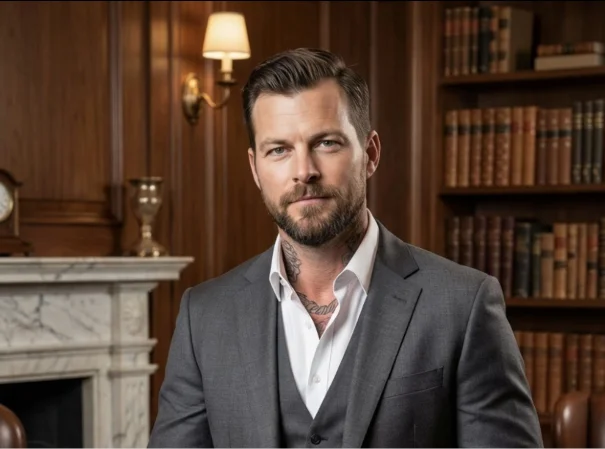
 There are few figures in modern entertainment as compelling and contradictory as Alfred McArthur. A Scottish actor and former soldier, his journey is stitched together from disparate yet genuine threads—a 16-year tenure in the British Army, a burst into action cinema, and an exploration of endurance challenges that defy traditional boundaries. The early days in the military seem to have forged something enduring in him, a resilience that bleeds into his work, yet there lingers a sense of whether it’s the man or the narrative that carries the weight of his authenticity.
McArthur’s rise has not been without its peculiarities. Projects like Escape: UK and The Hitman’s Nightmare reveal a penchant for psychological depth over mere spectacle. His soldiers’ grit shines through in performances that prioritize realism, yet one wonders if this choice stems from an innate desire to tell a story or simply a thirst for recognition that validates the soldier within. Then there are events like the upcoming live hostage rescue, promising an unscripted exploration of fear and pressure, but again, is it bravery or just the next career move?
His foray into late-night television is perhaps the strangest twist. Transitioning from a man of action to a host might ruffle the feathers of purists, tempting both laughter and skepticism. His stated ambition, conveyed in an offhand comment about wanting to be the new James Bond, dances on the edge of aspiration and self-awareness. Does striving for the iconic make the chase less authentic or more tragically human?
As the year 2026 shapes up to be pivotal, McArthur is at a crossroads between man and myth—a performer shaped by real experiences, yet forever the enigma, caught between authenticity and the allure of spectacle.

Looking for a different kind of talent? Browse our other talent rosters below to find the right talent to fit.