









Dating & Relationships  11th March 2026
11th March 2026 

 100k-500k
  United States
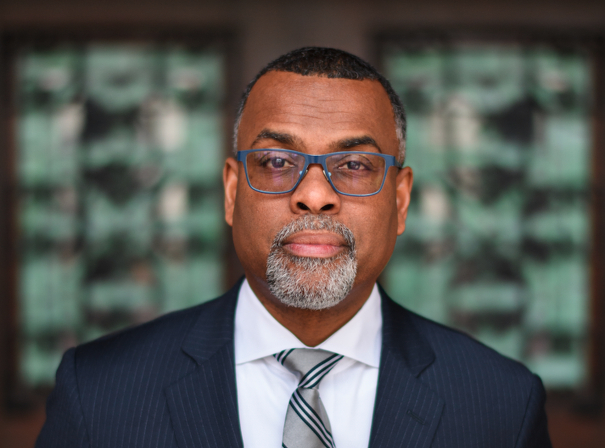
 Eddie S. Glaude Jr. is a distinguished academic and author, currently serving as the James S. McDonnell Distinguished University Professor of African American Studies at Princeton University. His academic journey began at Morehouse College, where he earned his bachelor’s degree, followed by a master’s in African-American studies from Temple University and a Ph.D. in religion from Princeton. Glaude’s teaching career commenced at Bowdoin College, where he chaired the department of religion before joining Princeton’s faculty in 2002. He has played a pivotal role in shaping the African American Studies program, serving as chair of the Center for African American Studies from 2009 to 2015 and as the inaugural chair of its department from 2015 to 2023.
As an accomplished author, Glaude has penned five influential books, including the New York Times bestseller “Begin Again: James Baldwin’s America and Its Urgent Lessons for Our Own,” which explores the complexities of race and democracy in America. His other notable works, such as “Democracy in Black: How Race Still Enslaves the American Soul” and “In a Shade of Blue: Pragmatism and the Politics of Black America,” reflect his deep engagement with African American history and thought. Glaude’s scholarship has garnered significant recognition, including the Modern Language Association’s William Sanders Scarborough Book Prize.
In addition to his academic contributions, Glaude is a prominent media figure, frequently appearing as a political commentator on MSNBC’s “Morning Joe” and “Deadline: White House.” His insights have also been featured in major publications like Time and the Huffington Post, where he addresses pressing social and political issues. Glaude’s ability to blend scholarly rigor with public discourse has made him a respected voice in contemporary discussions on race and democracy.
Glaude’s commitment to social justice and education extends beyond the classroom. He serves on the Morehouse College Board of Trustees and has been actively involved in various media projects, including documentaries that highlight African American experiences. His work not only challenges audiences to confront America’s historical injustices but also inspires a collective reimagining of the nation’s future, making him a vital figure in the ongoing dialogue about race and democracy in America.

Looking for a different kind of talent? Browse our other talent rosters below to find the right talent to fit.