
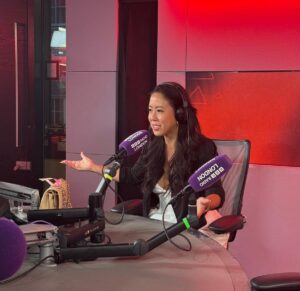
Dr. Tara interviewed for BBC Radio London
1 year ago


 Australia
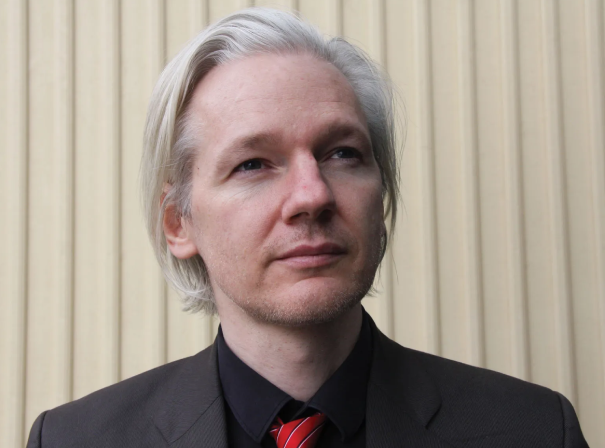
Julian Assange is an Australian editor, publisher, and activist known for founding WikiLeaks and his dedication to revealing classified information to the public.
Wiki License is the commercial arm of WikiLeaks and Julian Assange, which works with partners to license merchandise.
Julian Paul Assange is an Australian editor, publisher, and activist who founded WikiLeaks in 2006.
Julian Assange spoke on the Trans-Pacific Partnership, highlighting its secretive nature and corporate control.
Julian Paul Assange, born on July 3, 1971, in Townsville, Queensland, Australia, displayed an early aptitude for computers and became a skilled hacker by his mid-teens under the name ‘Mendax’. He later studied programming, mathematics, and physics at Central Queensland University and the University of Melbourne. His early experiences with hacking and subsequent legal challenges, including a 1996 conviction for hacking related to his activities with ‘the International Subversives’ group, shaped his perspective on information control and transparency. These foundational experiences laid the groundwork for his future endeavors in exposing secretive organizations.
In 2006, Assange co-founded WikiLeaks, an organization dedicated to publishing classified documents from anonymous sources. As its editor-in-chief, he played a central role in several high-profile leaks that brought international attention to the organization. Key early publications included documents related to the Bank Julius Baer and a report on political killings in Kenya, which earned WikiLeaks the 2009 Amnesty International New Media Award. The year 2010 marked a turning point with the release of sensitive materials from Chelsea Manning. These included a video of a U.S. airstrike in Baghdad, dubbed ‘Collateral Murder’, and vast archives of U.S. military logs from the Afghanistan and Iraq wars, alongside a quarter of a million U.S. diplomatic cables, collectively known as ‘Cablegate’. These revelations significantly impacted global diplomacy and public discourse on war and transparency.
Assange’s actions led to complex legal challenges, including a protracted extradition battle stemming from a 2010 Swedish investigation into sexual assault allegations, which he consistently denied, claiming it was a pretext for extradition to the United States. He sought and was granted political asylum in the Ecuadorian embassy in London in 2012, where he remained for nearly seven years. During this period, he continued his work with WikiLeaks, helped Edward Snowden, and unsuccessfully ran for the Australian Senate under the WikiLeaks Party banner. His asylum was revoked in 2019, leading to his arrest and subsequent incarceration in HM Prison Belmarsh, as he fought extradition to the U.S. on charges under the Espionage Act. In 2024, a plea bargain was reached, allowing for his release and return to Australia, concluding a 14-year legal struggle.

Curious about our offerings or have inquiries? We're eager to assist!
Just complete the form, and we'll respond promptly.