









Dating & Relationships  11th March 2026
11th March 2026 

 United Kingdom United Kingdom
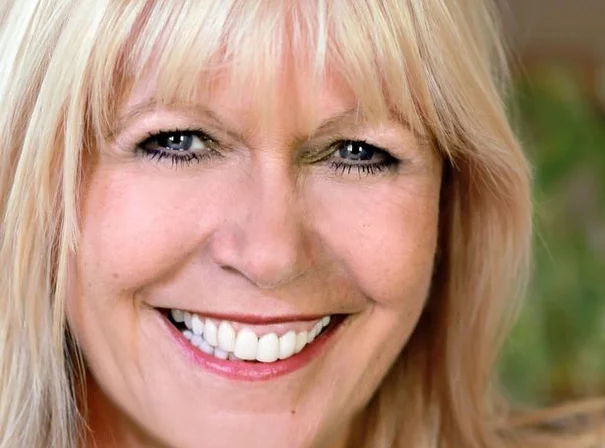
 Julie Peasgood’s career is a vibrant tapestry woven from both stage and screen. Originating from Cleethorpes in Lincolnshire, she was born into a working-class family. It seems her mother’s adventurous spirit, starting as a tightrope walker and juggler in the Bertram Mills Circus, may have been the bite of inspiration that later led Julie to pursue a life in the arts. Leaving school at the age of 16 seemed to set her on a path that would dangle between the mundane, like working in a local fish and chip shop, and the extraordinary, as she found her way into acting after brief training at the Arts Educational School in London.
With roles spanning various soaps and beloved dramas, she donned multiple hats as Fran Pearson in Brookside and Jo Steadman in Emmerdale, yet there were also moments behind the scenes. The noise of her voice filled television screens, resonating through countless commercials, most notably for Bird’s Eye Frozen Peas. It was during the 80s that Peasgood began to carve her niche in voiceovers, later being dubbed the “queen of the ad voice overs”—a title that might prompt both pride and a sliver of hesitation at its implications.
Married since 1998 to fellow actor Patrick Pearson, her life reflects a mingling of personal and professional threads. With a daughter, Kate McEnery, following her footsteps into acting, the familial connections don’t end there; her niece, Emily Peasgood, is carving her own reputation as a composer. Each relationship, each role played, threads the needle of a life that has been as colorful as the characters she has portrayed.
Her foray into books is perhaps a piquant surprise—The Greatest Sex Tips in the World elevating her to known author status; yet alongside her critics, she remains a frequent columnist and speaker, wrestling with the fading line between personal narrative and public persona. Peasgood embodies a mixture of roles, often navigating the complex intersection of life, voice, and identity, leaving some ambiguity in her legacy. What makes her tick? Only she could tell, and even then—well, perhaps we can only guess.

Looking for a different kind of talent? Browse our other talent rosters below to find the right talent to fit.