

Talent Profiles: Daring Doctors
6 years ago


 United States
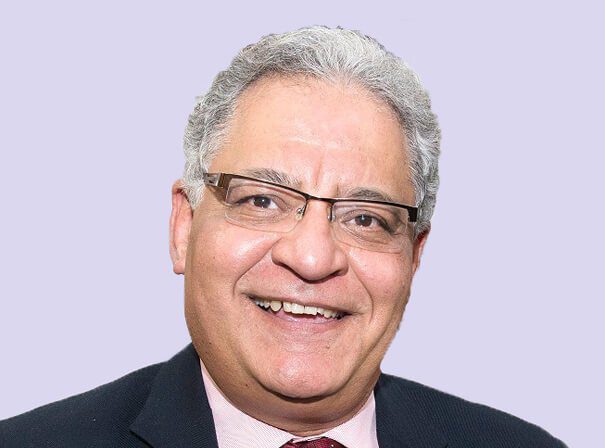
Stuart Orkin is a distinguished physician-scientist known for his foundational research in hematology, pediatric oncology, and stem cell biology, leading to critical advancements in understanding and treating blood disorders.
Awarded Dr. Stuart H. Orkin with the 2020 Harrington Prize for Innovation in Medicine for his contributions to red blood cell biology.
Stuart Orkin, M.D. and his colleague David Ginsburg, M.D., first cloned the gene for von Willebrand factor more than 30 years ago, leading to licensed products.
Stuart H. Orkin, MD, was honored with the Lifetime Impact Award at Boston Children's Hospital Innovation Summit, recognizing his impact on pediatric medicine.
Stuart Orkin received the $500,000 Gruber Genetics Prize for his groundbreaking research on the genetics of inherited blood disorders.
Dr. Stuart Orkin was awarded the 2022 Canada Gairdner International Award for the discovery of the molecular mechanism responsible for the fetal-to-adult hemoglobin switch.
Stuart Orkin was born in Manhattan, New York, in 1946. He completed his B.S. in biology at the Massachusetts Institute of Technology in 1967 and earned his M.D. from Harvard Medical School in 1972. From 1973 to 1975, he served as a U.S. Public Health Service Research Associate at the National Institutes of Health. Following this, he pursued additional training in pediatrics and pediatric hematology/oncology at Boston Children’s Hospital and the Dana-Farber Cancer Institute. These early experiences established his focus on blood disorders.
Orkin joined the faculty of Harvard Medical School in 1978, becoming an Assistant Professor of Pediatrics and advancing to full Professor by 1986. He became an HHMI Investigator in 1986. From 2000 to 2016, he chaired the Department of Pediatric Oncology at the Dana-Farber Cancer Institute. His research has included defining the molecular basis of human blood disorders, identifying critical hematopoietic transcription factors, and pioneering gene therapy and gene editing techniques for conditions like sickle cell disease and thalassemia. He provided the first comprehensive molecular dissection of an inherited disorder, the thalassemia syndromes, and identified genes for other human blood disorders, including X-linked chronic granulomatous disease, using positional cloning.
His laboratory’s discovery of BCL11A as a key repressor of fetal hemoglobin (HbF) was instrumental. This finding demonstrated that gene editing at an erythroid enhancer within the BCL11A gene could reactivate fetal hemoglobin expression. This work led to the first approved gene editing therapy for human disease. Currently, his laboratory focuses on understanding fetal globin silencing and developing small molecules to reverse it for treating sickle cell disease and beta-thalassemia, utilizing biochemistry, chemical biology, structural studies, and mouse modeling. Orkin’s work has been recognized with numerous awards, including the Shaw Prize in Life Science and Medicine in 2024, and inclusion in the Time100 and Time100 Health lists in the same year, highlighting his impact on medical science.

Curious about our offerings or have inquiries? We're eager to assist!
Just complete the form, and we'll respond promptly.