




Agree who owns what before the track leaves the session
You have finished a track with another producer, a vocalist has recorded a topline, and everyone wants it out. The one conversation nobody wants to have is about percentages. Skip it and you risk royalties that never arrive, credits that stay wrong for years, and a working relationship that ends over money. A split sheet is the simple fix.
A split sheet is a short written agreement, signed by everyone who worked on a track, that records who wrote what and who owns what. It is not a complicated contract. It is a single page that stops arguments before they start and gives collecting societies the information they need to pay the right people.
Why dance producers need split sheets more than most
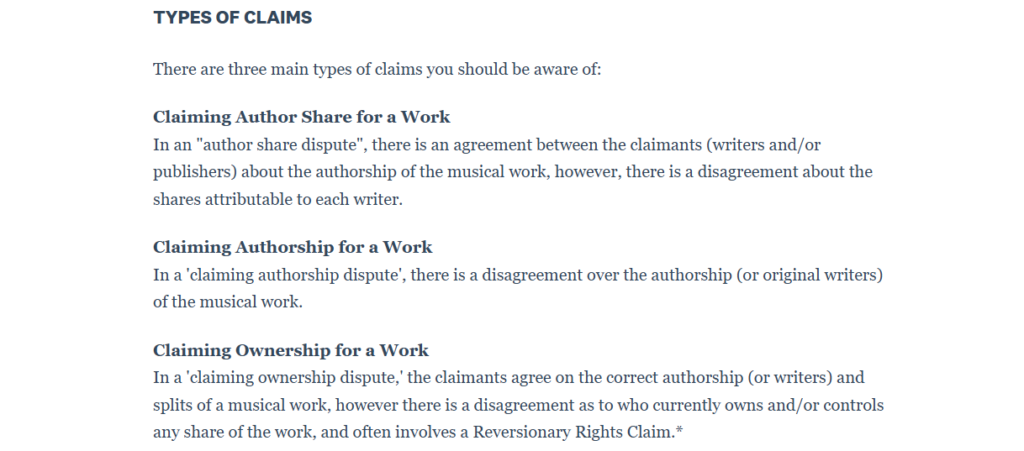
Dance music runs on collaboration. Studio sessions, remote file swaps, featured vocalists, co-productions and remixes all create tracks with several contributors. Many of these start casually, over a shared project file or a late night in the studio, and the paperwork never catches up. The problem shows up later. If you and your co-writer register different percentages for the same song, the shares will not match and payments stall while it gets sorted out. Our guide to registering with PRS notes that mismatched splits are one of the most common reasons songwriter payments get delayed or withheld. Publishing administrator Songtrust explains that these conflicting claims can stop the correct party from collecting royalties at all.
Every track has two splits, not one
This is where most split sheet advice stops short. A released track contains two separate copyrights, and each one needs its own split. The composition is the song itself: the melody, chords, lyrics and underlying musical ideas. Songwriters and composers earn from it through performance and mechanical royalties, collected in the UK by PRS for Music and MCPS.
The master is the specific sound recording. Its owner earns from streams, downloads, sync licences and neighbouring rights, which are paid in the UK through PPL whenever the recording is played in public or broadcast. The two splits do not have to match. A vocalist who wrote the topline might hold a share of the composition but none of the master if the producers paid for the session. Under UK law, the first owner of a sound recording is its producer, which the Copyright, Designs and Patents Act defines as the person who made the arrangements necessary for the recording to be made. That is often whoever organised and funded the session, not necessarily whoever sat at the desk. Your split sheet should spell out both splits so nobody is relying on assumptions.
What to include on your split sheet
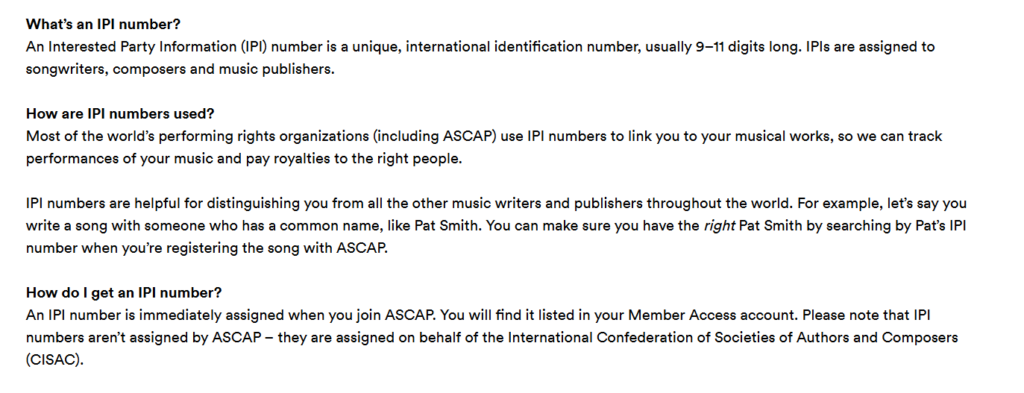
Keep it to one page, but make sure it covers the following. Track details: the title, any working titles, the date, and the ISRC if one has been assigned. Every contributor: full legal name, artist name, role (producer, co-producer, topliner, vocalist or instrumentalist) and contact details. Society details: each writer’s collecting society and IPI number, the unique international identifier assigned to songwriters, composers and publishers. Add publisher names where they apply.
Composition split: each writer’s percentage, adding up to 100%. Master split: each owner’s percentage of the recording, also adding up to 100%. Performer credits: who performed on the recording and whether they are a featured or non-featured performer.
Samples: any samples used and whether they have been cleared. Signatures: every contributor signs and dates the sheet.
How to agree the percentages
There is no fixed formula. The right split is the one everyone agrees to and signs. These are the setups you will come across most often in dance music.
Two producers working as equals. Producers who build a track together often split both the composition and the master evenly. It is simple, fair and quick to agree. Uneven contributions. If one producer brought the core idea and the other mainly handled the arrangement and mixdown, you might weight the composition split to reflect that. Talk about it openly and write down what you agree.
Topliners and vocalists. A vocalist who writes their own melody and lyrics is a songwriter on the track and should be on the composition split. Whether they also own part of the master depends on who paid for and organised the recording, so agree it separately.
Remixes. A remix creates a new master, but the composition stays with the original writers unless the remixer adds new musical material. How the remix master is owned or paid for depends on the deal with the label or artist, so put it in writing. Samples. If the track uses a sample, the original rights holders may claim a share of the composition, the master, or both. Clear samples before you finalise your splits, or your percentages may have to change.
When to sign it
The best time is at the end of the session, while everyone remembers who did what. The latest safe point is before you send the track to distribution. Once a track is live, earning money and registered by different people in different ways, untangling it is far harder. If you collaborate remotely, a shared digital document with e-signatures works just as well as paper.
What to do once it is signed
A split sheet only protects you if the information makes it into the systems that pay you.
For the composition, every writer registers the song with their collecting society using exactly the percentages on the sheet.
For the master, the rights owner registers the recording with PPL. PPL asks for the rights ownership percentage and a full performer line-up, including at least one featured performer. If that information is incomplete, PPL classes the recording as invalid and withholds the rights holder’s royalties until the data is fixed. Studio producers who gave musical direction can also qualify as non-featured performers, so check whether that applies to you. Our step-by-step guide to collecting neighbouring rights covers the registration process in more detail.
Finally, send a copy to your label or distributor and store the signed version somewhere every contributor can access it.
Get the rights side right from the start
If you are releasing collaborations and want your masters registered correctly and your neighbouring rights collected in full, MN2S Label Services can take care of it. Get in touch with the team to talk about rights management for your next release.