



Most brands pick a mood but have you looked at the floor plan.
Most brands pick a DJ or a band based on mood. Upbeat and modern, go electronic. Warm and classic, go live. It feels like a creative decision. Often it isn’t. The venue usually decides first, and the format that fits the room wins before a single track gets played.
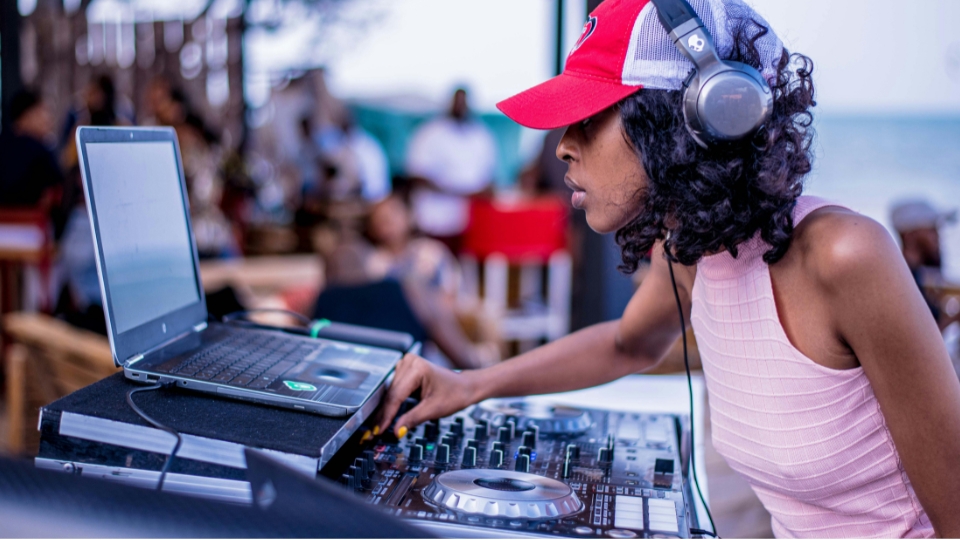
A DJ needs a booth, a pair of decks, maybe a riser. A band needs a full stage, backline, multiple mic and instrument channels, and enough power to run it all. That difference in footprint changes which venues are even on the table. Get the format wrong for the space and you’re either cramming a five-piece band onto a mezzanine that was never built for it, or wasting a 15,000-capacity arena on an act that needed a corner and a plug socket.
Footprint isn’t the only constraint
Headcount multiplies everything. One artist versus four to eight musicians means more travel, more accommodation, more rider lines to negotiate. Load-in time follows the same pattern. A DJ can often turn a room around in under an hour. A band typically needs a longer technical soundcheck window, which matters when a hotel ballroom or product launch space only gives you a tight changeover before doors open.
This is exactly the kind of detail MN2S walks corporate clients through before a booking is confirmed, including confirming arrival time around how long an act needs to set up their gear, so the room isn’t half-ready when guests walk in.
The DJ format doesn’t just fit the room. It transforms it
Here’s where it gets interesting for brand marketers. A DJ isn’t just the lower-footprint option, it’s the format that lets a brand claim spaces that were never designed to host entertainment at all. A rooftop. A retail floor. A stage built for a product reveal, not a concert.
When Ford wanted to mark 40 years of the Fiesta, they didn’t book a band. They booked DJ Yoda, who worked with Ford’s engineers to build a robot DJ collaborator for the anniversary event. What could have been a static product celebration became a live spectacle, built around a small footprint and a genuinely novel idea that a full band setup simply couldn’t have carried in the same space.
The same logic when Tommy Hilfiger and British GQ hosted an exclusive dinner ahead of the F1: The Movie premiere, they didn’t want a stage, they wanted a room that could shift from intimate dinner to afterparty without missing a beat. DJ Manny Norté soundtracked the entire evening at Covent Garden’s newly opened Town Restaurant, for a guest list that included Patrick Schwarzenegger and Damson Idris, without the room ever needing to be built around a stage.
And when HBO Max wanted to launch the new season of Euphoria with real cultural weight, they turned the entertainment into the campaign. Naomi Campbell headlined a 90-minute DJ set in Madrid, a booking built specifically for experiential marketing that could travel across social and press coverage in a way a traditional stage show couldn’t replicate as easily.
When a band still wins
None of this means bands don’t have their place. A full live act brings a different kind of production value, and MN2S’s own event bookings prove the point: soul legend Mica Paris headlined Christmas Soul Night at London’s KOKO in support of Macmillan Cancer, Medics4Ukraine and Teenage Cancer Trust, and Haley Reinhart performed two free community Christmas concerts with the US Air Force Band of the West, both examples where a full production was exactly the right call for the room and the occasion. Bands still win when the event itself is the show, not the backdrop to something else happening in the room.
The point isn’t that DJs are always the answer. It’s that the decision should start with what the venue can physically hold, not with a mood board.
Start with the room, not the runsheet
Before a brand locks in a band or a DJ, the smarter question is what the space will actually allow, and what kind of moment that format can create inside it. Get that right and the format becomes part of the story, not just the entertainment. Talk to MN2S about matching the right format to your next event, before the venue makes the decision for you.