



The audience is already there; meet them where they are
Most brands still build their own event when they want a big experiential moment. Permits, construction, staffing, a promotional push to get people through the door, then a nervous wait to see if anyone actually shows up. It is slow, expensive and entirely optional, because in almost every major city, someone else has already done the hard part.
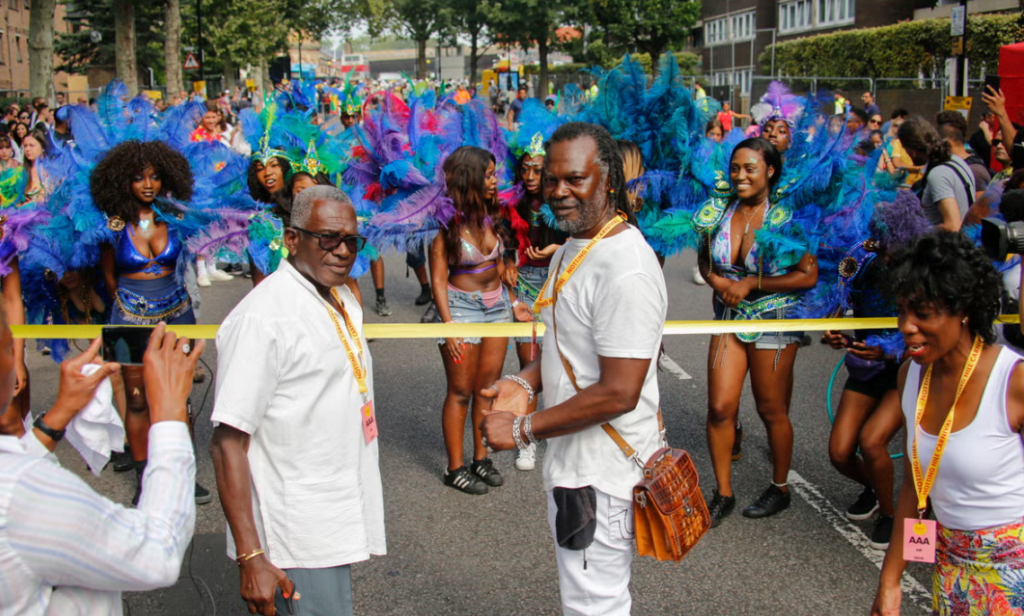
Take Notting Hill Carnival. Every August bank holiday weekend, an estimated 1.5 million people gather in west London for Europe’s largest street festival, for free, with no brand needing to build a single stage from the ground up. The infrastructure, the crowd and the cultural energy already exist. The only question is whether a brand’s presence inside it feels like it belongs there or like it was dropped in from a boardroom.
This is not a niche instinct. Global experiential marketing spend hit $128.35 billion in 2024, surpassing pre-pandemic levels for the first time, and 51% of companies plan to keep increasing that investment through 2026. The money is moving toward live, in-person experience. The smarter question is where brands are choosing to spend it.
Sponsorship is not the same as belonging
Big brands already know Carnival works. Bacardi, Adidas Terrex, Red Bull and Innocent have all sponsored bands, stages or sampling zones there for years. But sponsorship buys visibility, not belonging. A logo on a lamppost or a branded stage backdrop tells the crowd a brand paid to be there. It does not tell them the brand understands why the crowd showed up in the first place.
That gap is where most six-figure activations quietly underperform. The infrastructure is expensive and the branding is everywhere, but the actual audience interaction is thin, a few seconds of eye contact with a banner on the way to the next sound system.
Talent is the mechanism, not the decoration
This is where booking the right talent stops being a nice-to-have and becomes the entire strategy. A brand does not need a bigger stage. It needs a reason for people to stop, queue and stay, and that reason has to be a face the crowd already trusts.
Levi Roots is the clearest example of why this works. Long before Reggae Reggae Sauce became a national brand off the back of his Dragon’s Den appearance, Roots was selling the sauce and performing at Notting Hill Carnival itself. His presence at a brand activation is not a celebrity booking bolted onto someone else’s event. It is provenance. A queue forms because people recognise a story that started on those same streets, and the brand’s product is standing right next to it for the entire conversation.
@thenumbersgame1 📊How Jamaican entrepreneur Levi Roots went from selling homemade sauce at local market to building a £30M sauce business selling across supermarkets worldwide. #ceo #founder #business #entrepreneur #dragonsden ♬ original sound – thenumbersgame
The same logic applies to live performance talent. Maxi Priest, a reggae artist whose career runs back to the sound system culture that built Carnival in the first place, does not need an introduction to that crowd. Booking an artist with that level of cultural fluency turns a branded stage from a place people glance at into a place people plan their day around. That dwell time, minutes spent physically near the brand rather than seconds spent walking past it, is the actual commercial value of the booking. It cannot be bought with a bigger tent.
This already works, we’ve been it before Carnival with football.
The pattern is already proven, even if not yet at Carnival. When Flamin’ Hot launched its World Cup 2026 campaign, MN2S secured former Dutch international Arjen Robben to front “Warmest Welcome,” turning a famous moment of football heartbreak into a culturally sharp exchange rooted in Mexican identity. Flamin’ Hot sells snacks, not football, but the campaign reads as part of the World Cup story because the talent fronting it genuinely belongs to that world. No official sponsorship required.
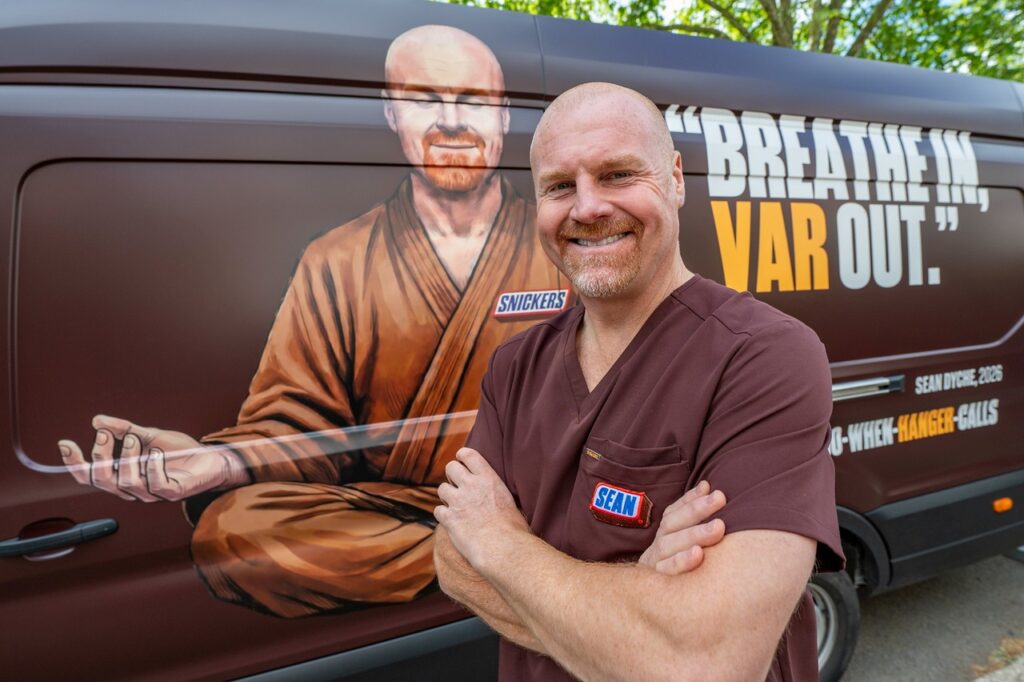
Snickers ran the same play. Rather than buying tournament sponsorship, the brand booked former Premier League manager Sean Dyche to front a comedic campaign built around VAR delays, a frustration every football fan recognises. No stadium hoarding, just the right face saying the right thing to an audience already primed to listen. Neither brand built an event. Both borrowed an audience that already existed and used talent to make the borrowing feel earned rather than bought.
This logic travels beyond one weekend
Carnival is the sharpest UK example because the scale and sponsorship history are so well documented, but the principle holds anywhere a defined, already-engaged audience gathers on its own terms: festival season, community celebrations, sporting fan zones. The brands winning experiential ROI are not the ones building the biggest structure. They are the ones asking a simpler question first: where is our audience already gathering, and who do they already trust when they get there?
Book the credibility, not just the crowd
Working with a specialist talent agency like MN2S means brands get access to talent whose credibility inside a specific culture is already proven, not manufactured for the campaign. That is the difference between renting space at a cultural moment and genuinely showing up inside it.
If a brand’s Q3 plan still involves building something from scratch, it might be worth checking who is already drawing the crowd first. Get in touch with MN2S to talk through talent options before the best bookings for August are gone.
Check out the MN2S talent roster to book more artists and celebrities.
Related articles
 How to Bring the World Cup Buzz to your Brand Even if You Don’t Sell Football Boots. Here’s Why the World Cup Is Still Your Moment.11 Jun 2026
 You Don’t Need a FIFA Badge to Win the World Cup. You Need the Right Talent.8 May 2026
 Reactive Talent Marketing should be a Relationship, Not a Scramble16 Jul 2026
 Soccer Aid for UNICEF just broke its own fundraising record. Again.5 Jun 2026
 From the Parade Ring to the Feed: The New Rules of Royal Ascot Brand Activation4 Jun 2026
 Sean Dyche Teams Up with SNICKERS® to Take On VAR One Bite at a Time15 May 2026