



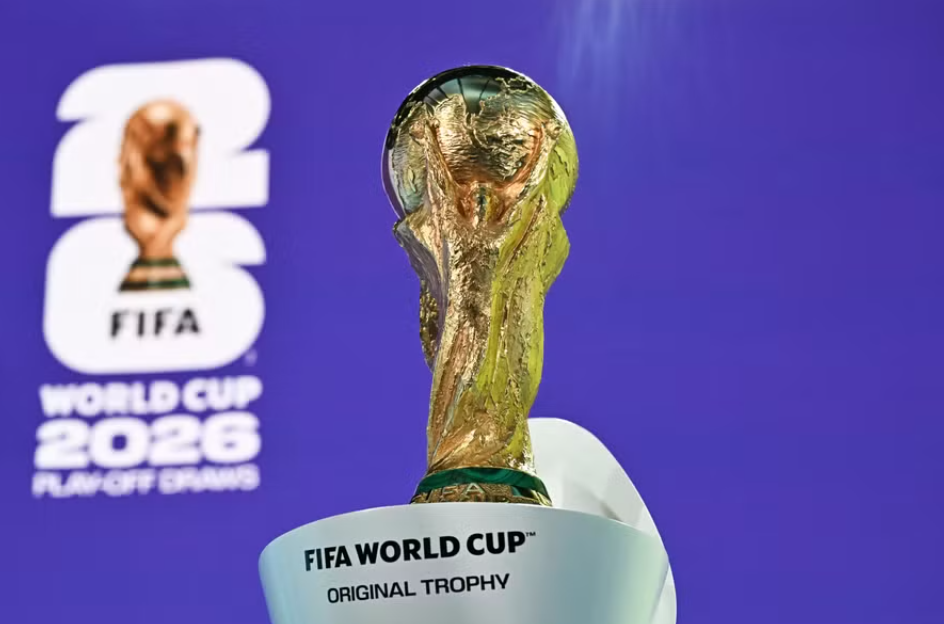
The World Cup Starts in Five Weeks. Is Your Brand in the Game?
The 2026 FIFA World Cup kicks off on 11 June. Forty-eight teams. One hundred and four matches. Thirty-nine days. Sixteen host cities across the United States, Canada and Mexico. Six billion people are expected to follow it in some form.
Official sponsorship slots are sold out. The big budgets have been committed. And if your brand is not already in the FIFA partner tier, you might assume the window has closed.
It has not. Not even close.
The Sponsorship Story Is Only Half the Picture
Every four years, the same narrative runs: brands either buy into the official partner structure or they sit it out. That framing suits FIFA’s commercial team. It does not reflect how football’s biggest cultural moments actually work.
Nielsen data shows that 76% of global football fans are Millennials or Gen Z, and 64% track sponsors and actively prefer sponsor brands when making purchases. But here is the number that should sharpen your thinking: 90% of those same consumers say authenticity is the critical factor when choosing which brands they engage with. A logo on a hoarding does not deliver authenticity. A footballer they grew up watching, talking directly to them on behalf of your brand, does.
The brands quietly winning this tournament are not all official sponsors. They are the ones that understood early that talent is the activation, not the backdrop to it.
Proof It Works: Flamin’ Hot and Arjen Robben
The clearest example of this thinking in action is already live. Flamin’ Hot, part of PepsiCo’s Frito-Lay portfolio, wanted to build genuine excitement and visibility across Mexico, the US and Canada ahead of the tournament. Rather than chase a sponsorship badge, they went straight for the most powerful currency available: a football story that fans already cared about.
MN2S secured Arjen Robben as the face of Flamin’ Hot’s “Warmest Welcome” campaign, built around his legendary and contentious history against Mexico in past World Cups. The concept turns a charged moment in football history into a playful, spice-fuelled revenge narrative rooted in Mexican culture, launching just as Mexico City prepares to host the tournament’s opening match. Robben was not chosen because he was available. He was chosen because his specific story created an authentic emotional connection that no invented campaign concept could have manufactured.
That is the template. A brand with a clear audience, a talent with a genuine story, and a cultural moment with enough heat to make both land harder than either could alone.
The Opportunity Most Brands Are Missing
Think about what the World Cup actually looks like from a fan’s perspective. Yes, there are stadiums. But there are also official FIFA Fan Festivals running for the full 39 days across all 16 host cities, with free public entry and tens of millions of visitor-sessions expected. There are hospitality suites, corporate entertainment events, brand activations, watch parties, and content campaigns running across every platform for the duration of the tournament.
None of those require a FIFA partner badge. All of them are transformed by the right talent.
A football legend appearing at your hospitality event in Dallas or Miami is not just a booking. It is the story your guests will tell for years. A World Cup winner fronting your social content campaign during the group stage is not just a face. It is instant cultural credibility in front of the most commercially receptive sports audience on earth. Football fans over-index on brand affinity more than almost any other sports audience globally, with 67% finding sponsor brands more appealing compared to just 54% of the general population.
The Talent That Moves the Needle
The most effective World Cup talent activations share one characteristic: specificity. Not just a famous footballer, but the right footballer for your brand, your market, and your story.
Antoine Griezmann, the 2018 World Cup winner, brings immediate credibility across European and Latin American markets and a profile that transcends pure football fandom. Hakim Ziyech, whose performances powered Morocco’s historic run to the 2022 semi-finals, carries enormous cultural weight across African, Middle Eastern and European audiences, markets that are significantly underserved by most World Cup campaigns. Rivaldo, a 2002 World Cup winner with Brazil and one of the greatest players of his generation, delivers the kind of cross-generational, global recognition that makes a campaign land in markets most brands struggle to reach authentically. And Mia Hamm, a two-time World Cup winner and the defining face of women’s football in the United States, speaks directly to the US market at a moment when soccer interest among American fans is projected to grow 62% on the back of this tournament.
These are not names you call when you want a photo opportunity. They are talent with genuine stories, genuine audiences, and genuine commercial pull.
The Window Is Already Closing
The tournament starts in five weeks. Fan zone programming is being finalised. Hospitality calendars are being locked. Content schedules are being built. Talent that is not already committed to a campaign is being approached now by brands that moved faster.
The complete FIFA commercial cycle for 2023 to 2026 is forecast to generate approximately $11 billion in total revenue. The budgets are not just moving. They have moved. The brands waiting for a cleaner brief or a bigger budget window have already missed several beats.
But the tournament itself has not started yet. There is still time to activate, and still time to be genuinely present in the biggest cultural moment of 2026. The brands that move now will have case studies, earned media, client relationships, and audience data that outlast the final whistle by years. The ones that watch from the sidelines will be planning their 2030 strategy in 2027, asking themselves how they missed it.
This Is the Moment to Move
You do not need a FIFA badge. You need the right talent, the right brief, and a partner who can move quickly enough to make it happen before the opening match kicks off on 11 June.
MN2S works with football legends, sports personalities, and cultural talent across every market the World Cup touches. Get in touch now to discuss your World Cup talent strategy.
Check out the MN2S talent roster to book more artists and celebrities.
Related articles
 How to Bring the World Cup Buzz to your Brand Even if You Don’t Sell Football Boots. Here’s Why the World Cup Is Still Your Moment.11 Jun 2026
 World Cup 2026 Marketing20 Apr 2026
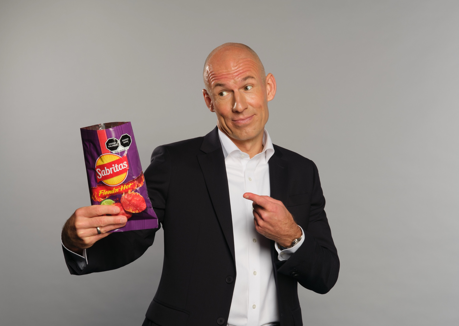 Arjen Robben Secured for Flamin’ Hot’s “Warmest Welcome” World Cup 2026 Campaign7 Apr 2026
 Reactive Talent Marketing should be a Relationship, Not a Scramble16 Jul 2026
 Stop Building Events. Start Borrowing Audiences.29 Jul 2026
 Soccer Aid for UNICEF just broke its own fundraising record. Again.5 Jun 2026