

Dr. Tara interviewed for BBC Radio London
1 year ago


 United States
In 2024, David Eagleman’s podcast Inner Cosmos with David Eagleman earned a nomination for best science podcast of the year at the...
Early breakthrough moment that first put David Eagleman on the map with audiences and industry press alike.
Sustained growth across live performances, media appearances and high-profile collaborations.
Expanded reach through a standout partnership and crossover project with global visibility.
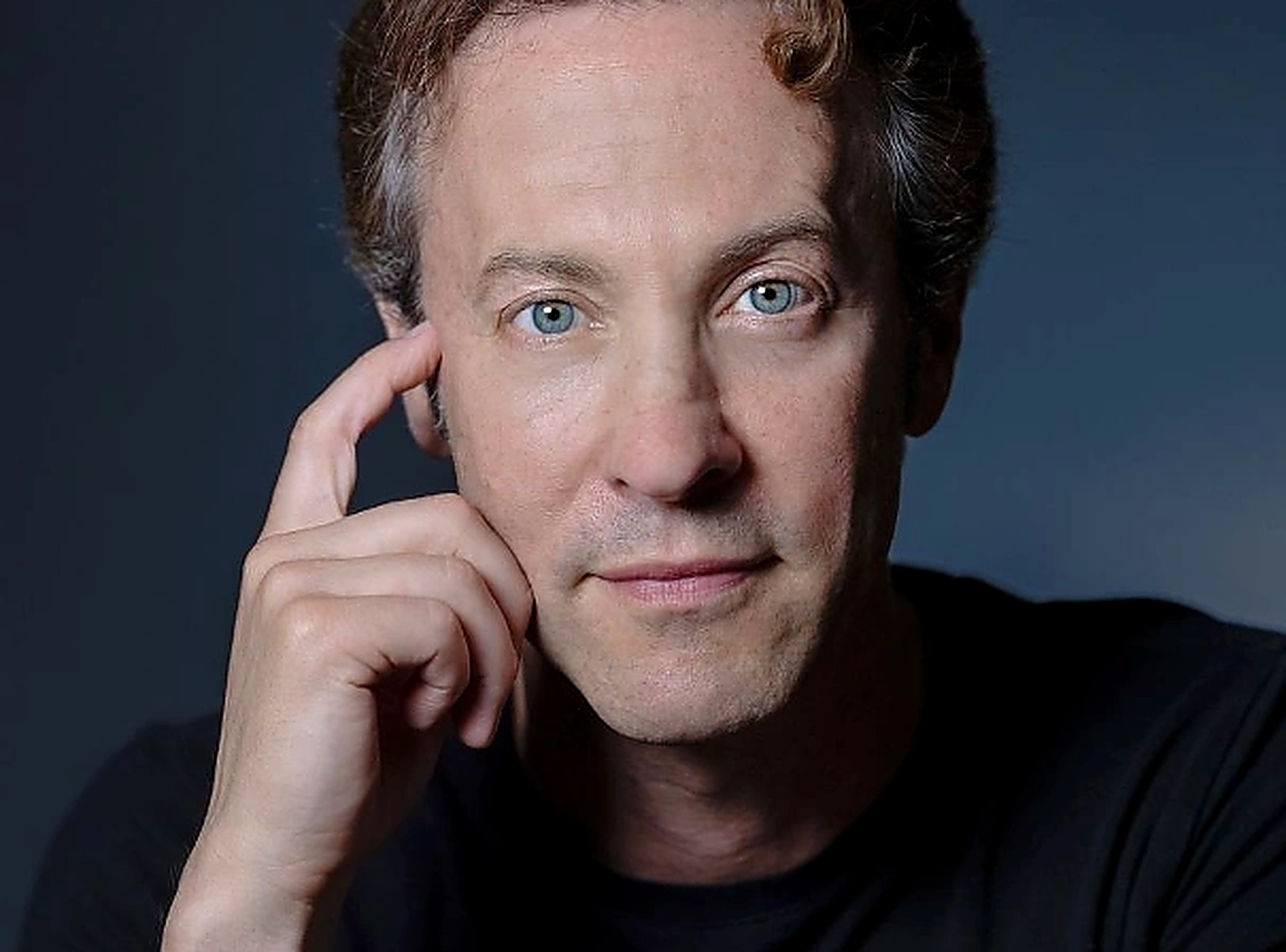
In 2024, David Eagleman’s podcast Inner Cosmos with David Eagleman earned a nomination for best science podcast of the year at the iHeart Podcast Awards at SXSW, after repeatedly ranking as the number-one science podcast on Apple. It is the latest chapter in a career that began in New Mexico, where he was born on April 25, 1971, to a physician father and a biology teacher mother. An early fall from a roof sparked his fascination with the neural basis of time perception. He studied British and American literature at Rice University, spent a junior year abroad at Oxford University, and earned his PhD in Neuroscience at Baylor College of Medicine in 1998, followed by a postdoctoral fellowship at the Salk Institute.
Eagleman went on to direct a neuroscience research laboratory for ten years at Baylor College of Medicine before joining Stanford University as an adjunct professor of neuroscience. His research spans brain plasticity, sensory substitution, time perception, synesthesia, and neurolaw, and he brought that work to a global audience as writer and presenter of the international television series The Brain with David Eagleman. As a New York Times-bestselling author published in 32 languages, he has become one of science communication’s most recognizable voices.
His contributions have earned him a Guggenheim Fellowship and the Science Educator Award from the Society for Neuroscience, and Italy’s Style fashion magazine featured him on its cover among its “Brainiest, Brightest Idea Guys.” He serves on the board of directors of the Long Now Foundation.
Eagleman has also translated his research into technology, founding several neurotech startups, including BrainCheck, which helps medical professionals assess cognitive impairment and dementia, and Neosensory, which uses sound-to-touch sensory substitution. Through the non-profit Center for Science and Law, which he directs, he works to align the legal system with modern neuroscience.

Curious about our offerings or have inquiries? We're eager to assist!
Just complete the form, and we'll respond promptly.