

 United Kingdom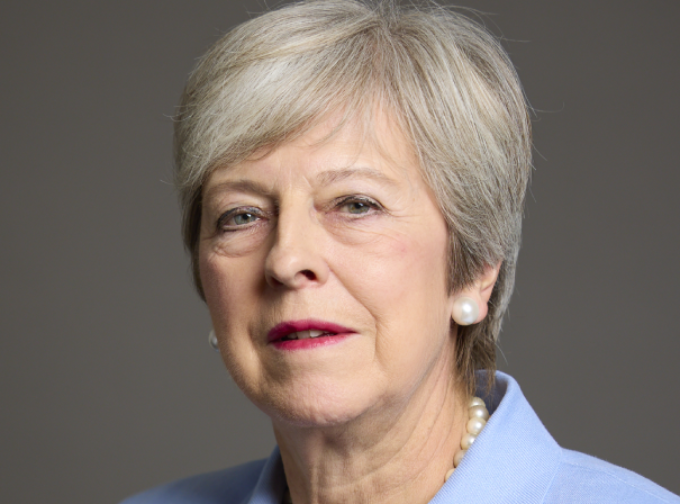

Montana Tucker to Headline Jewish Federation of Northeastern New York Event
1 year ago


Theresa May transitioned from a career in finance to become a prominent political figure, culminating in her role as Prime Minister of the United Kingdom.
Analysis of Theresa May's political brand and strategies to maintain public trust and relationships, focusing on her leadership and policy messages. The discussions often revolve around her image as a 'strong and stable' leader and her efforts to unify the Conservative Party and the country during Brexit.
Her involvement with the Conservative Party has been extensive, including serving as its Chairman and then as its leader. Her leadership aimed to stabilize the party following the Brexit referendum and implement policies aligned with conservative principles while also addressing social injustices.
As Prime Minister, Theresa May was the lead negotiator for the UK's withdrawal from the European Union following the 2016 referendum. Her efforts aimed to secure a deal that respected the referendum result while also defending the UK's interests.
May received campaign and party funding from various hedge fund operators and businesses, drawing attention to potential conflicts of interest regarding their vested interests in post-Brexit financial arrangements.
Theresa May, born on October 1, 1956, in Eastbourne, had a varied educational background that included both state and private schools. She pursued higher education at St Hugh’s College, Oxford University, where she studied geography. Her early professional life started at the Bank of England, followed by positions at the Association for Payment Clearing Services (APACS). She served as Head of the European Affairs Unit from 1989 to 1996 and then as Senior Adviser on International Affairs from 1996 to 1997, demonstrating her early engagement with financial regulations and international relations.
May’s political career began at the local level, serving as a councillor in the London Borough of Merton from 1986 to 1994, where she held roles as Chairman of Education and Deputy Group Leader and Housing Spokesperson. After two unsuccessful attempts to enter Parliament, she was elected as the Member of Parliament for Maidenhead in 1997. Her progression continued through various shadow cabinet roles, including Shadow Secretary of State for Education and Employment from 1999 to 2001, and notably, she became the first female Chairman of the Conservative Party from 2002 to 2003. These early parliamentary roles laid the groundwork for her future responsibilities within the government.
Her tenure as Home Secretary from 2010 to 2016 marked a significant period, making her the longest-serving Conservative Home Secretary in over a century. During this time, she implemented substantial reforms including the creation of the College of Policing and the National Crime Agency, and she introduced the Modern Slavery Act. She also served as Minister for Women and Equalities concurrently from 2010 to 2012. Appointed Prime Minister on July 13, 2016, a role she held until July 24, 2019, May focused on addressing “burning injustices,” launching initiatives like the Race Disparity Audit and expanding mental health services. A major focus of her premiership was overseeing the UK’s withdrawal from the European Union, triggering Article 50 and navigating complex negotiations, culminating in the EU Withdrawal Act in 2018. During her leadership, the UK’s national debt decreased, employment reached record highs, and income taxes were reduced for millions. She also committed the UK to achieving ‘net zero’ climate emissions by 2050, making it the first major economy to do so.

Curious about our offerings or have inquiries? We're eager to assist!
Just complete the form, and we'll respond promptly.