

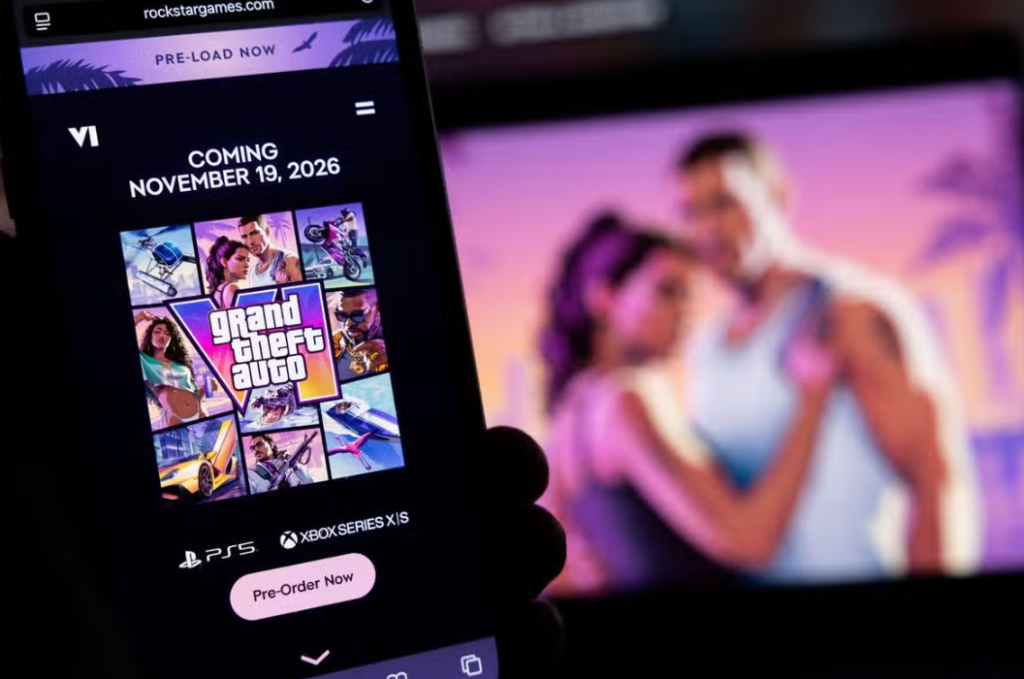
Thirteen years after GTA V, the players are back, and this time they have jobs, kids and pets. Here’s how food, delivery, FMCG and fashion brands can use talent, nostalgia and music to win launch month.
At midnight tonight, Grand Theft Auto VI goes live. After a 13-year wait, the queue is finally moving, and for millions of people this is their World Cup: the day booked off, the snacks bought in, the phone on silent.
Brands plan for a World Cup months ahead. Match nights get their own ads, menus and delivery deals. A launch this size deserves the same thinking, with one twist: the audience has changed since the last release. That’s where the opportunity is.
The GTA V generation grew up
Anyone who was 20 when GTA V landed in 2013 is 33 now. The crowd that played the last game is firmly in its 30s: millennials with mortgages, children, pets and a sink full of washing up. They still want in. They just can’t put life on hold.
They’re trying anyway. A Uswitch survey found 54% of UK GTA VI players plan to change their working schedules on release day, with an estimated 1.68 million workers using annual leave to play. In the US, BambooHR found 27% of millennial workers plan to take time off for the launch.
The dog still needs walking and the kids still need feeding. Every minute saved on life is a minute back in the game. Any brand that saves time, removes a chore or fuels a long session has a natural way in.
Launch month is a stay-in economy
Sensor Tower forecasts around 50 million extra visits to US food delivery and fast-food apps in the month after release, as players order in rather than pause.
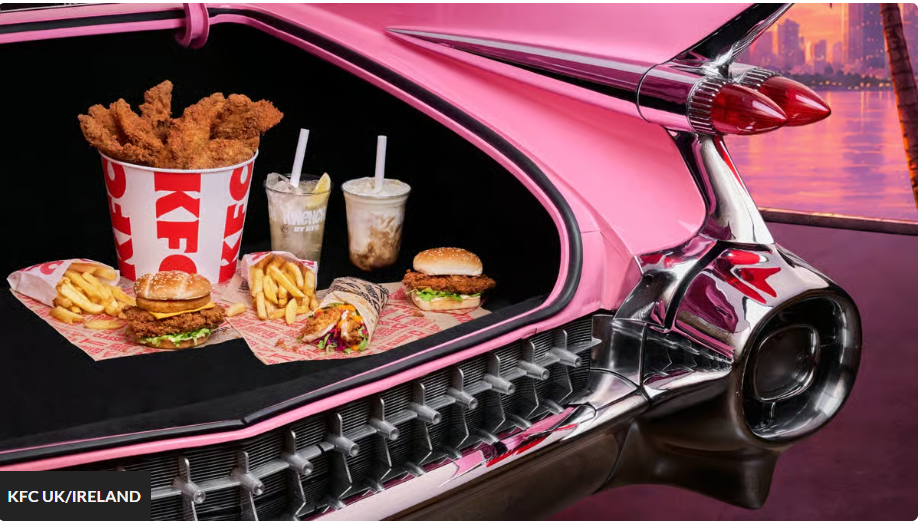
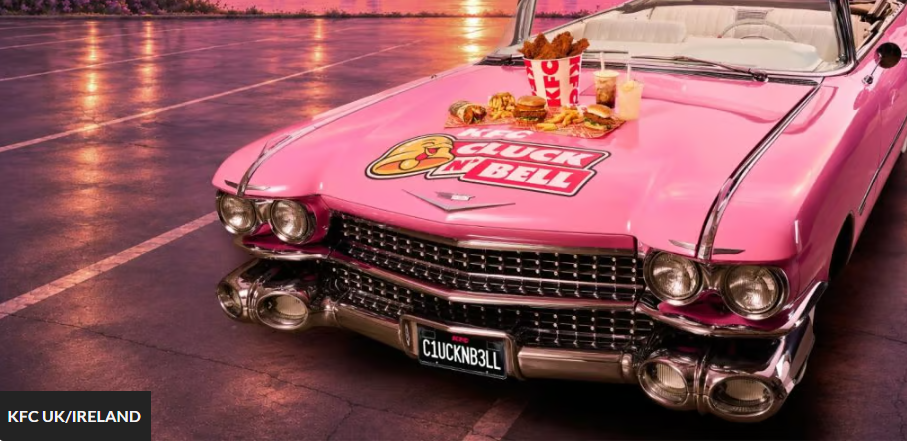
Brands are already there. KFC is delivering by pink 1959 Cadillac in London on launch day, with free delivery through Just Eat at participating restaurants from 6pm. It’s inspired by the game’s fictional chicken chain rather than an official tie-in. And GameStop on Uber Eats means a new game and a pizza can arrive in one order.
Play the nostalgia card
Nostalgia is the other lever, and it works three ways.
Food: bring back 2013
When Dairy Queen let fans vote on which retired Blizzard to bring back, they picked S’mores, first released in 2013. For this audience, 2013 is a feeling: the last time they had whole weekends to lose in a game. Any food or drink brand that was on shelves back then can bring that year back.
Music: license the soundtrack of their twenties
The hits of 2013 are the soundtrack of this audience’s twenties. Licensing a track from that year for a launch-month ad borrows the memory in seconds, and a licence can move fast enough to catch a cultural deadline. One opening bar tells a 33-year-old exactly when you mean.
Fashion: it’s already in the shops
Rockstar has taken over Selfridges’ Corner Shop on Oxford Street with more than 60 GTA VI pieces, including a £2,500 varsity jacket. The Miami Heat launched a Vice City collection with Court Culture and New Era. Retro Miami style is having a moment, and fashion and beauty brands can join it with their own Miami-inspired drops, without the game’s trademarks.
Watch what’s inside the game
The best clue to what trends next is the game itself. The first trailer sent Tom Petty’s 1989 “Love Is a Long Road” up 36,979% on Spotify. The second pushed the Pointer Sisters’ “Hot Together” up 182,000%. With the full soundtrack and radio stations now out, expect the same effect at scale, and the same could happen with whatever Jason and Lucia wear. Brands that track what breaks out in the first few weeks can license the song, book the artist or echo the look while it’s peaking.
How to work with the voices of GTA 6
The obvious move is the people inside the game. The catch: Rockstar has kept its cast secret, and there’s still no official cast list.
Stephen Root confirmed his role to the Associated Press. Jim Santangeli has said he has a small part. Lucia’s performer, Manni L. Perez, was only revealed through her Game Awards nomination on 17 November, and Jason’s actor is still unknown. The radio is more public: Bad Bunny, Lana Del Rey, Morgan Wallen, Burna Boy, Trick Daddy, Trina, Kerry King and Tom Araya all host stations.
One rule matters: you book the performer, not the character. The characters belong to the game, so a brand works with the actor’s own voice and personality, never the role. From there you have two routes, record it or license it: record new lines with the talent, or license an existing recording when the moment matters more than the message.
The game’s own cast isn’t the only option, either. Voice actors from earlier franchises carry decades of goodwill with exactly this audience, and they’re far easier to book.
MN2S deals : voices, music, comedy and delivery
Every example below is a partnership we brokered. Jon St. John, the voice of Duke Nukem, appeared at CarrierCon for Wargaming to promote World of Warships, with a two-hour panel, signings and social posts. DoorDash and Kurtis Blow reimagined his 1984 hit “Basketball” for the NBA season: proof a delivery brand can own a cultural moment through music, not discounts.
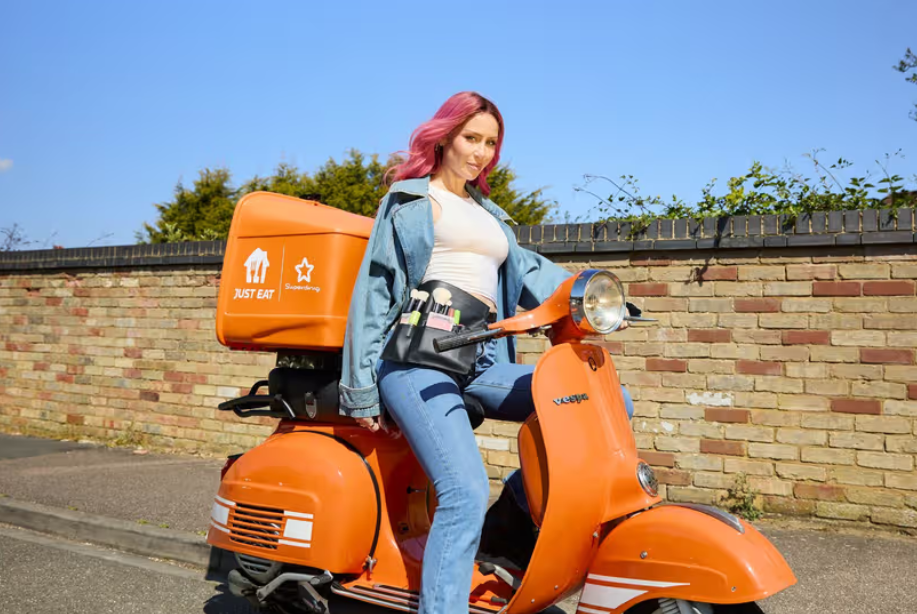
Closer to home, Just Eat and Superdrug teamed up with beauty creator CC Clarke to launch Superdrug on the app. In her Get Ready With Me Reel, a key product runs out mid-routine and a Superdrug order through Just Eat saves the look, backed by in-home “glam rescue” sessions in London and Manchester. Swap the lipstick for snacks and the makeup bag for a mid-mission craving, and that’s a launch-night delivery brief already written.
Comedy sells grooming, too. Comedian Vincent Marcus turned his bathroom into a tropical escape for Old Spice’s Fiji Holiday Pack. Creator Joe Santagato [EDITOR: confirm talent profile link] turned Dry January into a sweat joke for Degree, then came back as the face of “pressure sweat” in its #No5Sweat campaign. Both show a personal care brand using a comedian to turn an everyday product into a moment people share.
What you could do
Six ideas, each pairing a talent type with a format.
1. The “don’t pause” delivery voice. A delivery app or quick service brand books a well-known gaming voice actor to record order updates and push notifications for launch month: “Your order’s two minutes away. Finish the mission.” Talent: voice actor. Format: in-app audio plus social cut-downs.
2. The 2013 drop. A snack or soft drink brand brings back its 2013 flavour or pack design for a limited run, with a hit from that year licensed for the ad and a pop star of the era fronting it. Talent: 2010s pop artist. Format: limited edition plus TV and social.
3. The everything shower. A 3-in-1 shower gel for the player with ten minutes between the school run and the next mission. Take the Old Spice and Degree playbook into launch month: a comedian in a two-minute shower, controller sealed in a sandwich bag, refusing to pause. And for deodorant brands, the final mission is the purest pressure sweat there is. Talent: comedian or parenting creator. Format: social and online video.
4. The launch survival kit. A supplements, hydration or snack brand builds a launch-week kit, delivered through a quick-commerce app the way Superdrug now reaches shoppers on Just Eat. Gaming creators who are also parents unbox it and show how they fit a session around family life. Keep the message to routine and balance, not stamina. Talent: gaming or parenting creator. Format: delivery partnership plus creator content.
5. Miami nights in venue. Bars and hotels run launch-month Miami nights with big screens, themed cocktails and a Southern rap set. Miami acts such as Trina and Trick Daddy , who host the game’s Dirty South Classics station, would give a night like this instant credibility. Talent: Miami rap act or DJ. Format: in-venue experience.
6. The 72-hour trend jack. A fashion, beauty or retail brand puts a stylist or creator on standby for the first fortnight. When a look or a song from the game starts trending, they recreate the vibe within 72 hours as a “get the look” drop, inspired by the game and never copying its branding. Talent: stylist, beauty creator or music artist. Format: rapid-response social plus a limited product edit.
Why talent makes it work
You can’t use the game, but you can use the people. Without a licence from the rights holder, the characters, logos and footage are off limits. Talent is how a brand joins the moment properly: a voice gamers recognise, a creator they watch every week or an artist from the in-game radio gives you permission to be part of the conversation, without borrowing anything that isn’t yours. It also gives the content a reason to be clipped and shared long after launch night.
What to do in the next 30 days
- Book December now. Christmas talent books out fast, and the Christmas break is when players will be deepest in the game.
- Start listening. Track the soundtrack and in-game fashion from day one, so you spot what breaks out in the first fortnight.
- Clear music early. Rights are often split between several parties, so start before you need the track.
- Plan the second wave. GTA VI launches as a single-player game, with GTA Online reportedly planned for 2027 and a PC version still to be dated. Each brings the audience back.
Tonight is the start, not the finish, and this is the moment to act. Talk to us about your next gaming activation.
Check out the MN2S talent roster to book more artists and celebrities
Related articles
 Why Celebrity Talent Is Becoming Gaming’s Most Powerful Marketing Weapon17 Jun 2026
 How to Bring the World Cup Buzz to your Brand Even if You Don’t Sell Football Boots. Here’s Why the World Cup Is Still Your Moment.11 Jun 2026
 Why Smart Brands Book the Character, Not Just the Celebrity9 Jun 2026
 CC Clarke x Just Eat x Superdrug: Inside the ‘Glam in a Jam’ Campaign27 May 2026
 Reactive Talent Marketing should be a Relationship, Not a Scramble16 Jul 2026
 Jacksepticeye’s In-Game Cameo in 007 First Light Is a Masterclass in Creator-Led Game Marketing27 May 2026