











Brand Partnerships  30th September 2025
30th September 2025 

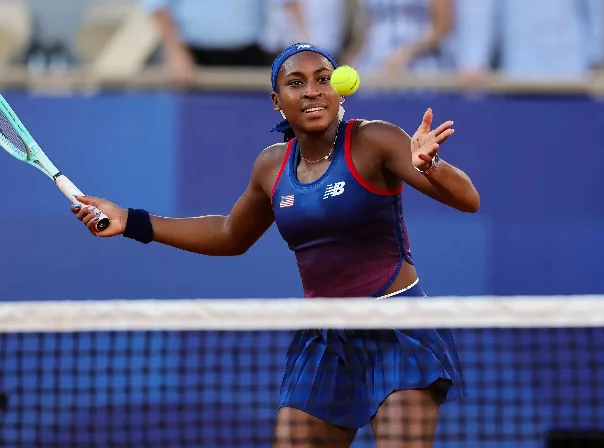
Coco Gauff, a name now synonymous with the promise of tennis, began her journey in Boca Raton, Florida. Born in 2004, her path unfurled early—she picked up a racquet at six, driven more by play than ambition at first. “I just wanted to play with my friends,” she admits, a statement that belies the intensity of her eventual ascent. By age ten, Gauff was already making waves, entering prestigious tournaments and quickly becoming a national sensation.
At just 15, she became the youngest player in history to qualify for Wimbledon’s main draw, a moment forever etched in the annals of tennis history. Her victory over Venus Williams during that tournament was celebrated, yet it underlined an uncomfortable truth about youthful pressure—the expectations ballooned. The narrative sourced from her tones hints at a complex relationship with fame; after all, balancing school and elite sport is no small feat. Her parents shifted careers to prioritize her training, a move that honed her skills but probably weighed heavily on her psyche.
Yet, Coco remains grounded. Her faith runs deep, woven into her practice rituals; before every match, she prays with her father. These threads of spirituality lighten the burden of expectation, offering a safe harbor as she navigates the stormy waters of competitive tennis. She reflects, “I don’t pray for results, I just ask that I give it my all.” It seems like a wise mantra for someone still so young.
As of 2025, Gauff’s trophies range from her first major title at the US Open to winning the WTA Finals. But behind the accolades lies a girl who grapples with her identity in a world that demands consistently greater success. From childhood dreams to Olympic hopes, Coco Gauff’s story is still evolving, revealing layers of ambition intermixed with the simple joys of youth.

Looking for a different kind of talent? Browse our other talent rosters below to find the right talent to fit.