







Brand Partnerships  1st December 2025
1st December 2025 

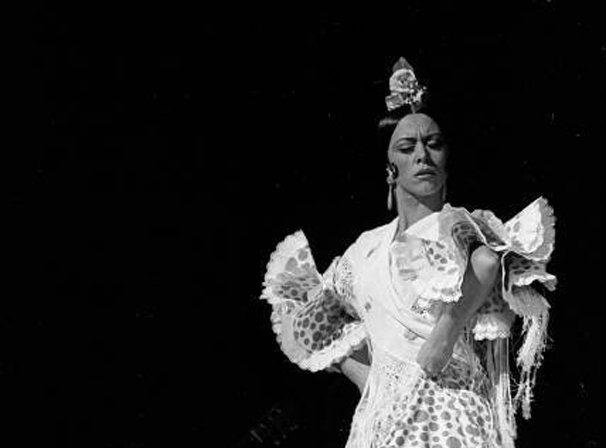
In the vibrant dance halls of 1950s Seville, a young girl named Manuela Vargas was making her mark in flamenco at only twelve years old. Under the guidance of her mentor, Enrique El Cojo, she twirled on the stage of “El Guajiro” before moving on to the larger “El Duende” in Madrid. Her talent blossomed, and in 1964, she received the International Dance Prize at the Theatre of Nations in Paris for her performance in “Antología dramática del flamenco.” From there, her path led to worldwide acclaim, including a notable presence at the New York World’s Fair in 1965 and performances at prestigious venues like the Prince of Wales Theatre in London.
With each step she took, Manuela sought a refined elegance that countered the flamboyance of her contemporaries. She described her pursuit of flamenco as an expression of her roots, a deep-rooted reflection rather than a display of spectacle. Her dancing was characterized by a unique poise, a serene authority that resonated with the dignity she championed for women in the art. This distinct approach allowed her to craft powerful interpretations of classic dances, often accompanied by a roster of equally talented musicians whose influence shaped her signature style.
In time, she became synonymous with productions like “Medea,” where her choreographic vision left a lasting impact. Her stage presence was haunting; she danced not just with her body, but with her spirit, imbued with a depth that transformed each performance into a mesmerizing experience. Yet, despite her successes, the shadows of personal struggles lingered—especially towards the end of her life, when she battled cancer quietly.
Manuela Vargas passed away in 2007, leaving behind a legacy that some say redefined women’s flamenco. She was a pioneer, leading an evolution in the art form that valued emotional depth as much as technical skill. The echoes of her bata de cola might still be heard in the whispers of studios and theatres, a testament to her life woven deeply into the fabric of flamenco history.

Looking for a different kind of talent? Browse our other talent rosters below to find the right talent to fit.